Your certificate
A personalised digital certificate with the name you choose.
Certificate of symbolic adoption
Your chosen name
has met
A meerkat character
Meet a fictional character inspired by the meerkat, and follow their gentle adventures through a story made to feel like yours.
The character is fictional. Membership includes story content and a personalised certificate.
A personalised digital certificate with the name you choose.
Certificate of symbolic adoption
Your chosen name
has met
A meerkat character
A made-up friend inspired by the real meerkat.
Carefully sourced notes about the animal that inspired the story.
The character is made up. The species facts are sourced separately and shown with their references.
Built for open, arid country
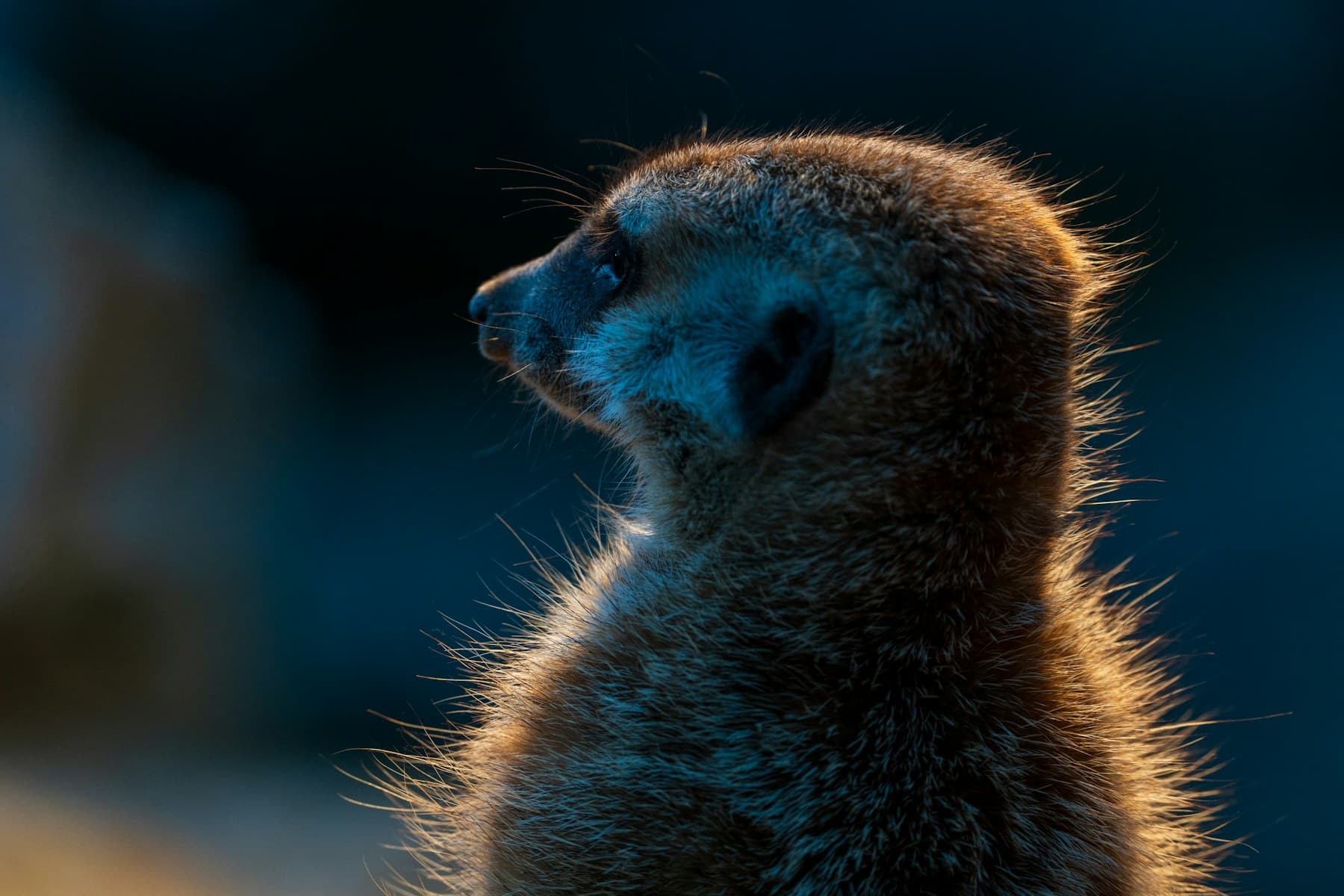
The meerkat (Suricata suricatta) lives in parts of southern Africa, including dry open habitats such as the Kalahari. It spends much of the day on the ground, foraging and watching for danger, and returns to an underground burrow system to rest and shelter. Burrows offer protection from predators and from the heat and cold of the surface environment. Meerkats live in social groups. While some group members forage, another may keep watch and give an alarm call if a predator is spotted. This is not a permanent job for a single “leader”: individuals can take turns, and the group responds to different warnings. Meerkats use claws adapted for digging and have dark patches around the eyes that can reduce glare in bright sunlight. Their diet is varied and commonly includes insects and other small animals such as spiders, scorpions, lizards and rodents. They use their sense of smell as well as sight when searching for food. The exact mix depends on the local environment and season.
Source: San Diego Zoo Wildlife Alliance ↗Dryland habitat and changing conditions
Meerkats depend on suitable ground for digging and places where food can be found. Drought, land-use change and disturbance can affect dryland ecosystems, though the effect on meerkats depends on local conditions. They also face natural predators, including birds of prey and larger carnivores. A predator is part of the ecology of a wild animal, not automatically a conservation threat. A species account should distinguish researched pressures from assumptions. Population estimates and conservation categories can change as assessment methods and evidence are updated; any such claim should be attributed and dated.
Source: San Diego Zoo Wildlife Alliance ↗Join the monthly story membership, add a name to the certificate and make it a gift with a short dedication.
Monthly membership: £9.99, billed each month. Cancel at any time in your membership account.
90% of each monthly payment will be transferred to International Animal Rescue to support protecting animals around the world
Personalise the certificate
No. It is a symbolic adoption of a fictional meerkat character with a monthly story membership.
Yes. The membership is £9.99 per month, billed monthly.
90% of each monthly payment will be transferred to International Animal Rescue to support protecting animals around the world